
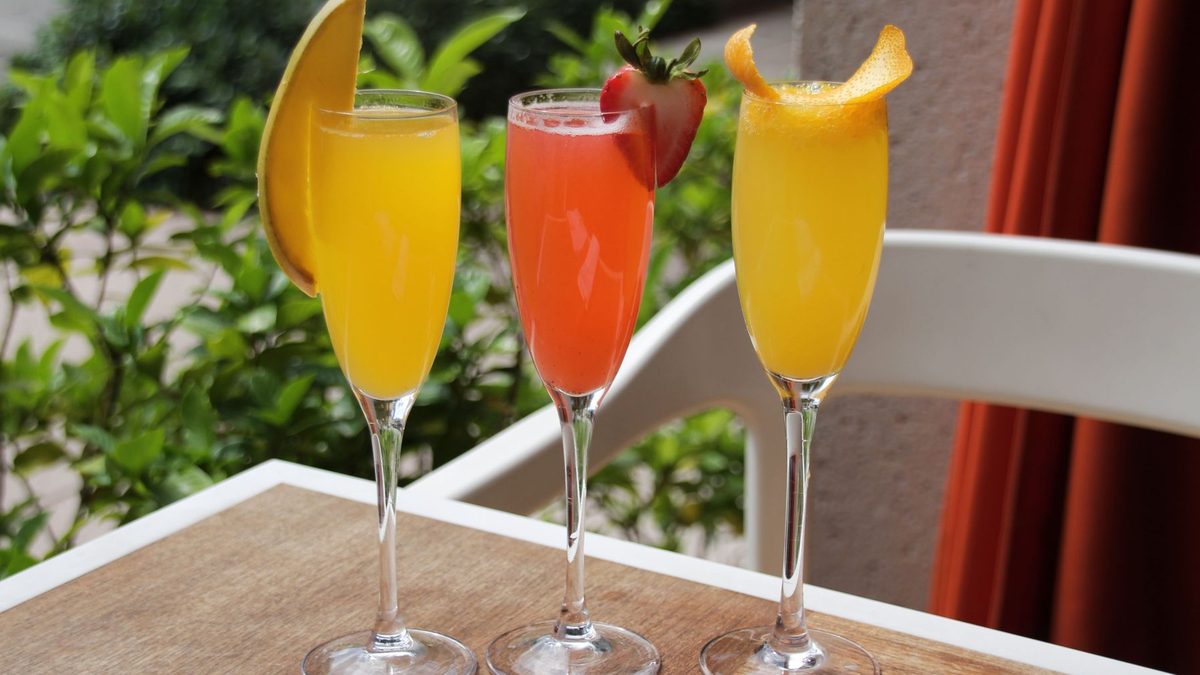
Champagne, Prosecco and Cava are all sparkling wine. The difference is where the bubbles happen. In Champagne and Cava the second fermentation happens inside the bottle you buy. In Prosecco it happens in a big steel tank first, and the wine is bottled afterwards.
That one choice explains the taste, the price and which one you should buy for what.
What the method does
Bottle fermentation leaves the wine sitting on spent yeast for a year or more. That is where the bread, biscuit and toast flavours in Champagne come from. It is slow, it takes cellar space, and every bottle has to be handled individually. That is most of what you pay for.
Tank fermentation takes weeks, not years. Nothing sits on yeast, so nothing tastes of bread. What you keep instead is the fruit: pear, green apple, white flowers. That is Prosecco, and it is not a lesser version of Champagne. It is a different drink.
| Prosecco | Cava | Champagne | |
|---|---|---|---|
| Where | Northeast Italy | Spain, mostly Penedes | Champagne, France |
| Bubbles made in | Steel tank | The bottle | The bottle |
| Tastes of | Pear, apple, flowers | Citrus, almond, a little bread | Toast, biscuit, brioche |
| Here | $16.47 | $13.19 | $71.49 |
Cava is the one nobody buys and should
Cava is made the same way as Champagne, in the bottle, aged on the yeast. It comes from Spain instead of France, so it costs a third as much. Segura Viudas Cava Brut 750Ml at $13.19 is made by the traditional method, the same method as a bottle here costing $71.49.
If you like Champagne and flinch at the price, this is the answer and it has been the answer for forty years.
What to buy for what
Mimosas, spritzes, a big party. Prosecco, every time. Lamarca Prosecco D.O.C. 750Ml at $16.47. Orange juice flattens anything clever, so spending more is throwing money away.
Drinking on its own, with food. Cava. It has the texture and the yeasty depth that make sparkling wine worth sitting down with.
An occasion where the bottle is the point. Champagne. You are paying $55.02 more than the Prosecco and a good part of that is the name on the label, but sometimes the name is the reason you are buying it. That is a real reason.
Two things that matter more than which you pick
Serve it properly cold. Half an hour in ice and water, not twenty minutes in a freezer. Warm sparkling wine foams over and tastes of nothing.
Use a normal wine glass, not a flute. A flute looks the part and traps every bit of the smell at the bottom where you cannot reach it. Nearly every wine professional switched years ago.
Opening it without the bang
The pop is a waste. Every bit of pressure that leaves the bottle as noise is pressure that is no longer in the wine, and the bubbles are the thing you paid for.
Hold the cork still and turn the bottle, not the cork. Keep a thumb over the top the whole time. Done properly it makes a quiet sigh rather than a bang, which is the sound sommeliers describe as a contented woman and everyone else finds slightly ominous.
Point it away from people regardless. A cork leaves a bottle at around fifty miles an hour and eye injuries from them are a real and annual event.
Brut, extra dry, and the label lying to you
Brut is dry. Extra Dry is sweeter than Brut. Dry is sweeter still. It is genuinely backwards, it is a leftover from the nineteenth century, and it catches people out constantly. If you want it dry, buy the one that says Brut.
On our shelf right now
Prices and stock read from our own inventory when this page was built.