
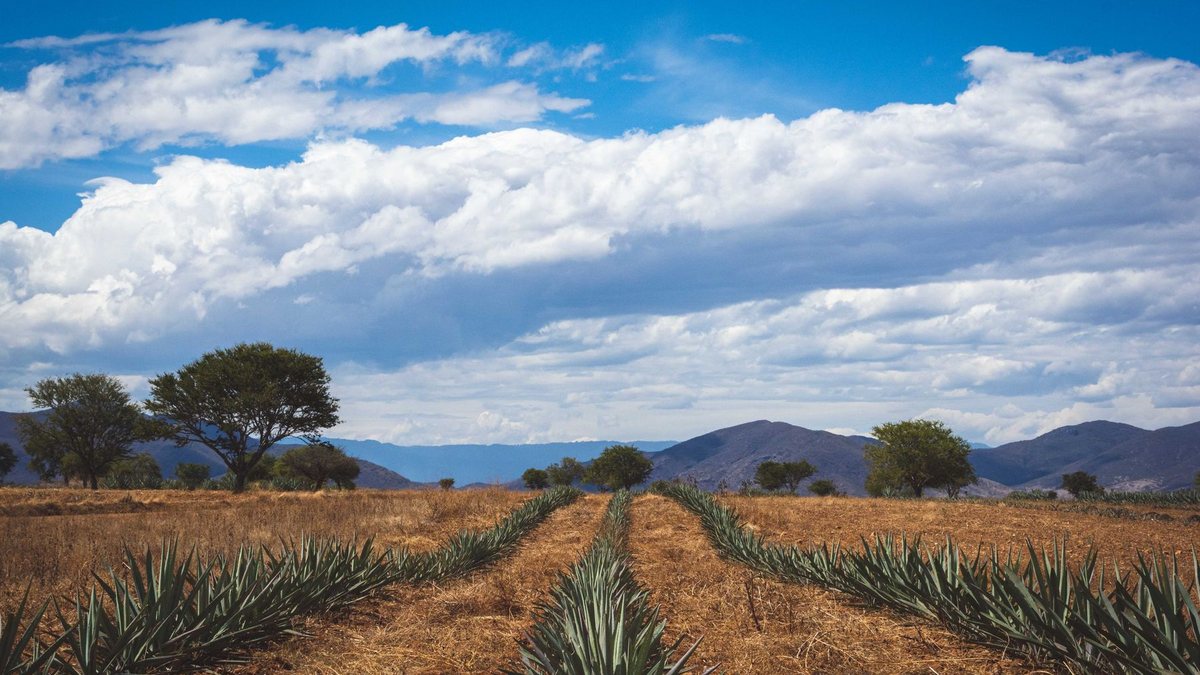
A winemaker blends grapes. A mezcal maker can blend agaves. When a mezcal is made from two or more kinds of agave, it is called an ensamble, and after espadín on its own, ensambles are the most common kind of mezcal made today.
How an ensamble is made
In a true ensamble, the different agaves go through the whole process together: they are roasted together in the same pit, crushed together, fermented together and distilled together. That is different from a mezcla, where finished mezcals are mixed after distillation. The words are not legally defined, and makers do not always use them the same way, so the label and the maker's own description are your best guide.
Why makers do it
- Flavor. Each agave brings something. Espadín gives body and sweetness. A wild agave such as tobalá or cuishe can add fruit, flowers or a mineral edge.
- Tradition. In many villages, makers used whatever ripe agaves grew nearby. Ensambles are how a lot of mezcal was made long before single-agave bottles became fashionable.
- Balance. A little of a rare wild agave goes a long way when it is blended with espadín, which keeps the bottle within reach.
Reading the label
Most good ensambles list the agaves inside, and some give the share of each. Mezcal Vago, for example, prints a percentage for every agave, measured by the dry weight of the agave hearts before roasting. If a label just says ensamble with no agaves listed, ask us, or look the brand up: the better makers are proud to tell you.
Ensambles on our shelf
- Madre Mezcal Ensamble: espadín with wild cuishe, from San Dionisio Ocotepec in Oaxaca. Bright and easy to like.
- Trascendente Mezcal Ensamble: espadín, tobalá and cuishe from the Tlacolula Valley in Oaxaca.
- Mezcal Unión Uno: espadín with wild cirial, from San Baltazar Guelavila in Oaxaca. A good everyday ensamble.
- Ojo de Tigre: mostly espadín from Oaxaca with tobalá from Puebla, an ensamble that crosses two states.
- Vago Ensamble en Barro by Tío Rey: distilled in clay pots in Sola de Vega, Oaxaca. The agaves change from batch to batch, so read the label on the bottle in your hand.
How to taste one
Sip an ensamble next to a plain espadín and see if you can pick out what the other agave adds. If the label lists a wild agave you have tried on its own, look for it in the blend.
Next in the series: pechuga, the mezcal distilled for celebrations.
On our shelf right now
Online prices, read from our own inventory when this page was built.