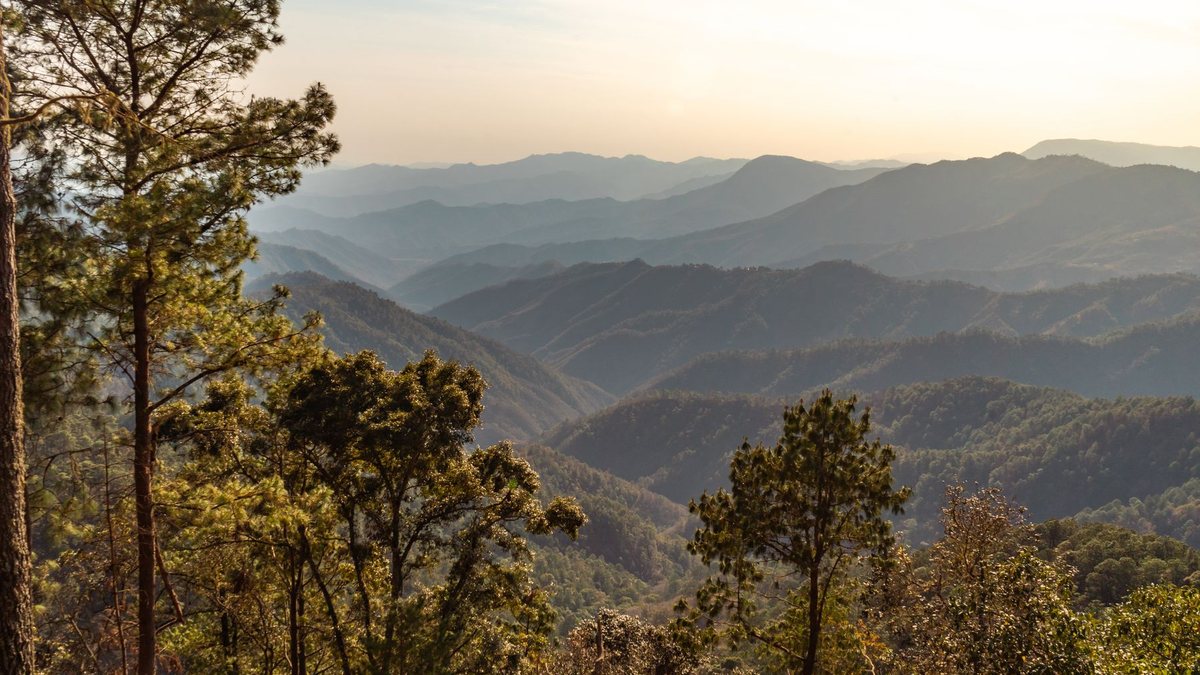
Say mezcal and most people think of Oaxaca, and for good reason: Oaxaca makes about 90% of it. But the mezcal region is much bigger than one state, and the place a mezcal comes from shapes its agave, its methods and its taste. Here is a quick tour.
How the map grew
When mezcal got its official appellation in 1994, it covered five states: Oaxaca, Guerrero, Durango, San Luis Potosí and Zacatecas. Over the years more were added: part of Guanajuato in 2001, part of Tamaulipas in 2003, part of Michoacán in 2012 and part of Puebla in 2015. Parts of Morelos and the State of Mexico have been added since, and the map is still argued over. So when you see a mezcal from outside Oaxaca, it is not a copy. It is a different place with its own traditions.
The states and their agaves
- Oaxaca. The heart of mezcal, and home to the widest range of agaves: espadín above all, plus tobalá, tepeztate, madrecuishe and many more. Try Xicaru Silver from Santiago Matatlán for the classic Oaxacan espadín.
- Durango. The land of cenizo, Agave durangensis, which gives a drier, earthier mezcal. Bozal Cenizo is made in San Nicolás, Durango.
- Guerrero. Known for cupreata, called papalote there, which grows wild in the Río Balsas basin. Try Magia Pura Cupreata.
- San Luis Potosí, Zacatecas and Guanajuato. These high, dry states use Agave salmiana, a big green agave with a fresh, green, sometimes peppery taste. Clase Azul San Luis Potosí is salmiana mezcal, steam-cooked in stone ovens.
- Michoacán. Cupreata again, plus local agaves. La Luna Manso Sahuayo is a Michoacán mezcal from a cultivated local agave.
- Puebla. Its own agave names and styles. Del Maguey Vida Puebla is an espadín from the town of Axocopan, a good way to taste the same agave grown somewhere other than Oaxaca.
The bottle that proves the rule
Remember the saying from our first post, all tequila is mezcal, but not all mezcal is tequila? La Luna Tequilana shows it in a glass. It is made from blue Weber agave, the tequila agave, but in Michoacán, inside the mezcal region and outside the tequila rules. So it is sold as mezcal. Same plant, different place, different rules, different spirit.
How to taste the difference
Line up an espadín from Oaxaca and one from Puebla, or a Durango cenizo next to a Guerrero cupreata. Small pours, sipped slowly. It is the easiest way to learn that, with mezcal, place matters.
Next and last in the series: joven, reposado and añejo mezcal, and the truth about the worm.
On our shelf right now
Online prices, read from our own inventory when this page was built.